More options

Marija Ratković

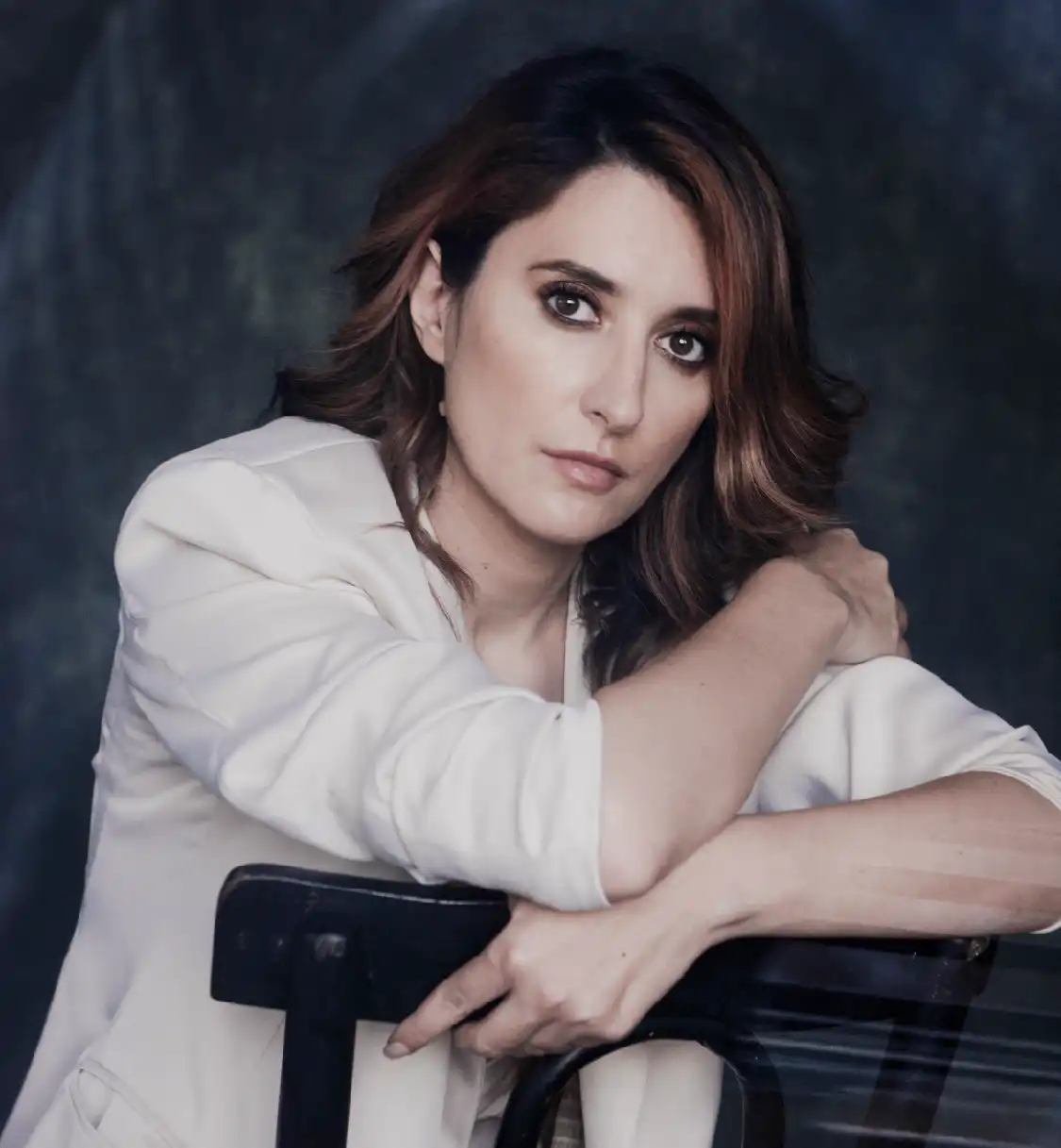
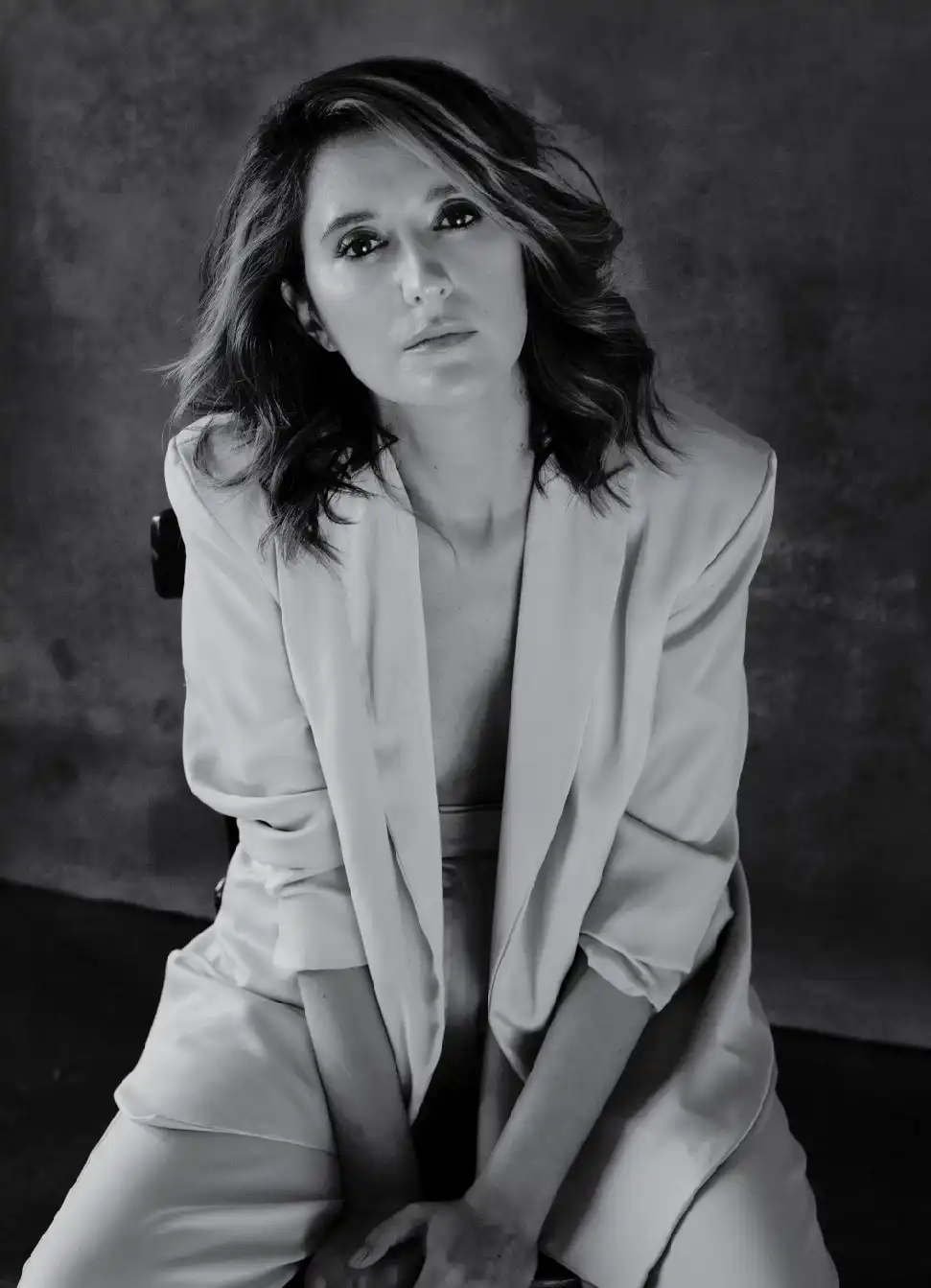
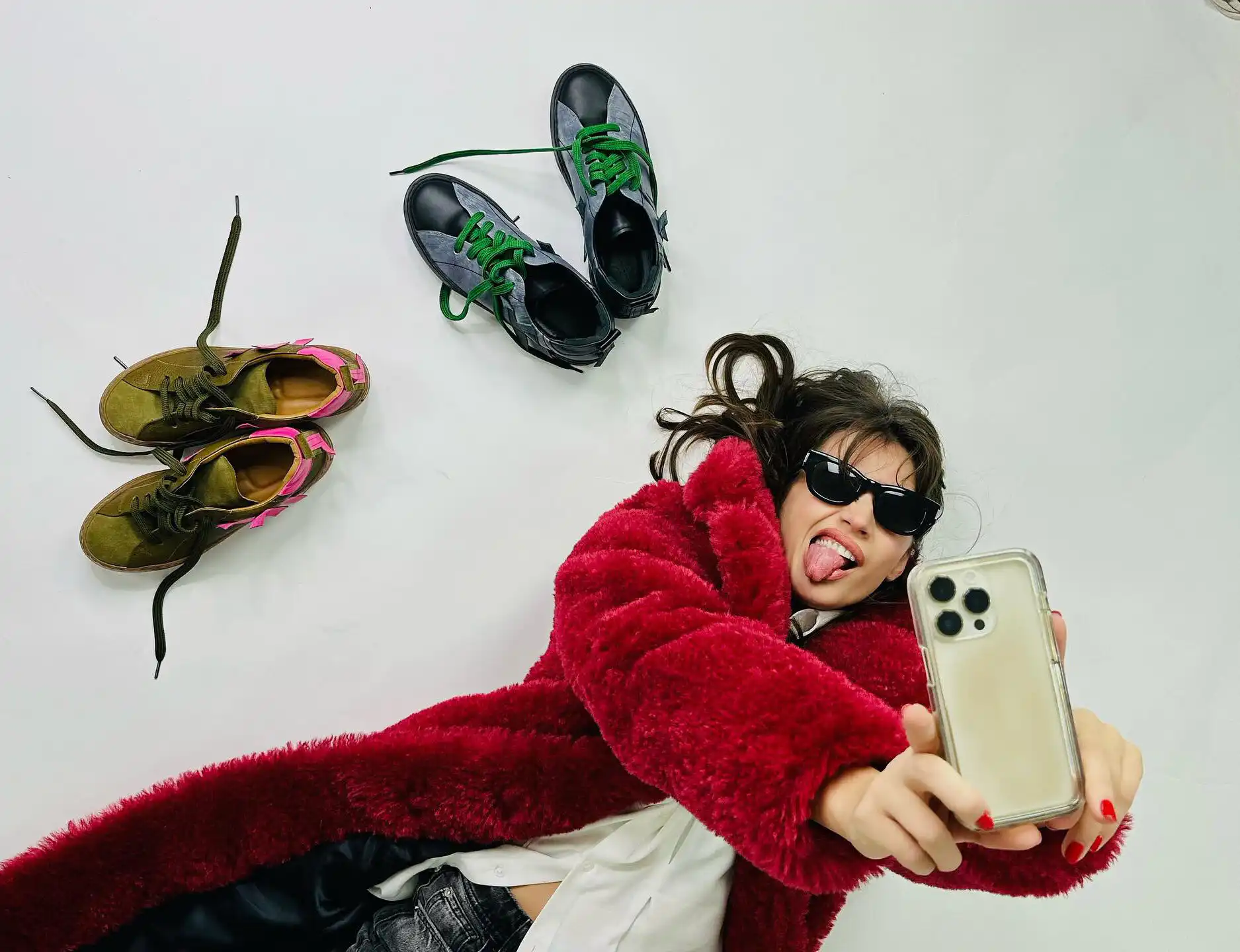
Marija Ratković is a writer, theorist, and activist. She writes for newspapers, film, television, and theatre. She has written the novel “Ispod majice” and a collection of short stories “Biologija mora” (in preparation). She is the laureate of the “Laza K. Lazarević” award for the best contemporary short story in 2020 and a finalist for the regional competition for the best short story Lapis Histriae in 2023. Always on the side of the young. She only buys local products, loves trainers on the street and heels at home. Still learning.

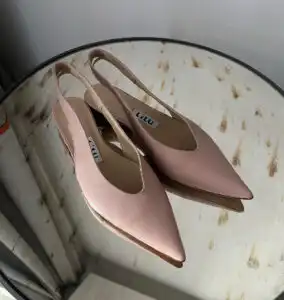
Shoes always show whether I'm up to the task. At least, that's what I used to think. Growing up in a house full of books and full of shoes, I knew very early on that this would be my world. There was some sort of Sarah Kay sticker album, and in it, a little girl tried on her mother's things. That's what I did too. Mostly when she wasn't there. The first difference between us was the question of colour. Mum, as a grown woman, didn't wear shoes in the colours I liked – purple, pink, sky blue, or white. She didn't even have black shoes – all her footwear was a palette of carefully chosen shades of brown. There were coppery ones and chestnut ones, muted beige or shiny burgundy, even navy blue.

The only shoe I acknowledged was the shoe from the drawing – today you'd call it a pointed-toe stiletto. I put them on and learned to walk. I didn't know then that I would never learn to walk in heels. I thought when I grew up, that knowledge would just come naturally.

Women, all women
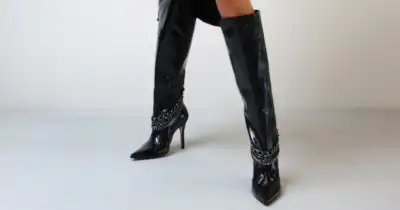
They are wearing high heels.

I believed this, probably from watching films, because even though I lived in a house full of shoes, I didn't have women around me who were constantly in heels. My mum would leave her nicest shoes at work and go to school in everyday comfortable shoes – so that she could then change and teach a forty-five-minute lesson in a perfectly chosen style.

I also remember my mum’s blisters, usually in the summer, usually when the shoes were new. She’d put a delicate egg membrane on the sore spot, and I remembered that advice as a secret between her and me, which I’d need when I grew up. And slowly, I grew up. If someone looked at my photos, they’d see a truly enviable collection of various beautiful shoes that weren’t as childish as I insisted on running or playing hopscotch in. Of course, they were all flat, but they really weren’t behind adult shoes. Moreover, I think comfort wasn’t given much thought back then at all. I was already ten or twelve when the first trainers with air soles appeared. That period began and never ended – trainers were and have remained my favourite footwear.
It wasn't easy with shoes either, and for most of my life I wore ugly shoes that were too small because I was ashamed of my large shoe size. Experts will say that times have changed, that everyone wears larger sizes now. However, it's hard to forget the worried faces of the shop assistants in shoe shops, the sad turning away and “unfortunately we don't have anything in that size” which I heard countless times while growing up. The Cinderella fairytale was just another confirmation for me that nothing beautiful was meant for me.

I will forever think of myself as the ugly, evil stepdaughter who wants the glass slipper at all costs. With my first salary – naturally, I wanted to buy such a thing – a glass slipper. I thought that shoes now – now that I had finally grown up and was working – would become my new reality. I believed I would always go to work in a blouse and heels, that trainers would be forever forgotten. That wasn't the case, of course. The world changes, and so the world I entered as an adult offered a workplace that's a 45-minute tram ride away, deep snow and mud when it's raining. I wore all sorts of boots, but I always went back to trainers. All this time I never accepted that I'm not a shoe person – I just thought I hadn't found the right ones. Perhaps that's, when I think about it, similar to a fairytale marriage. Some women just aren't – those women. You have to admit that to yourself.

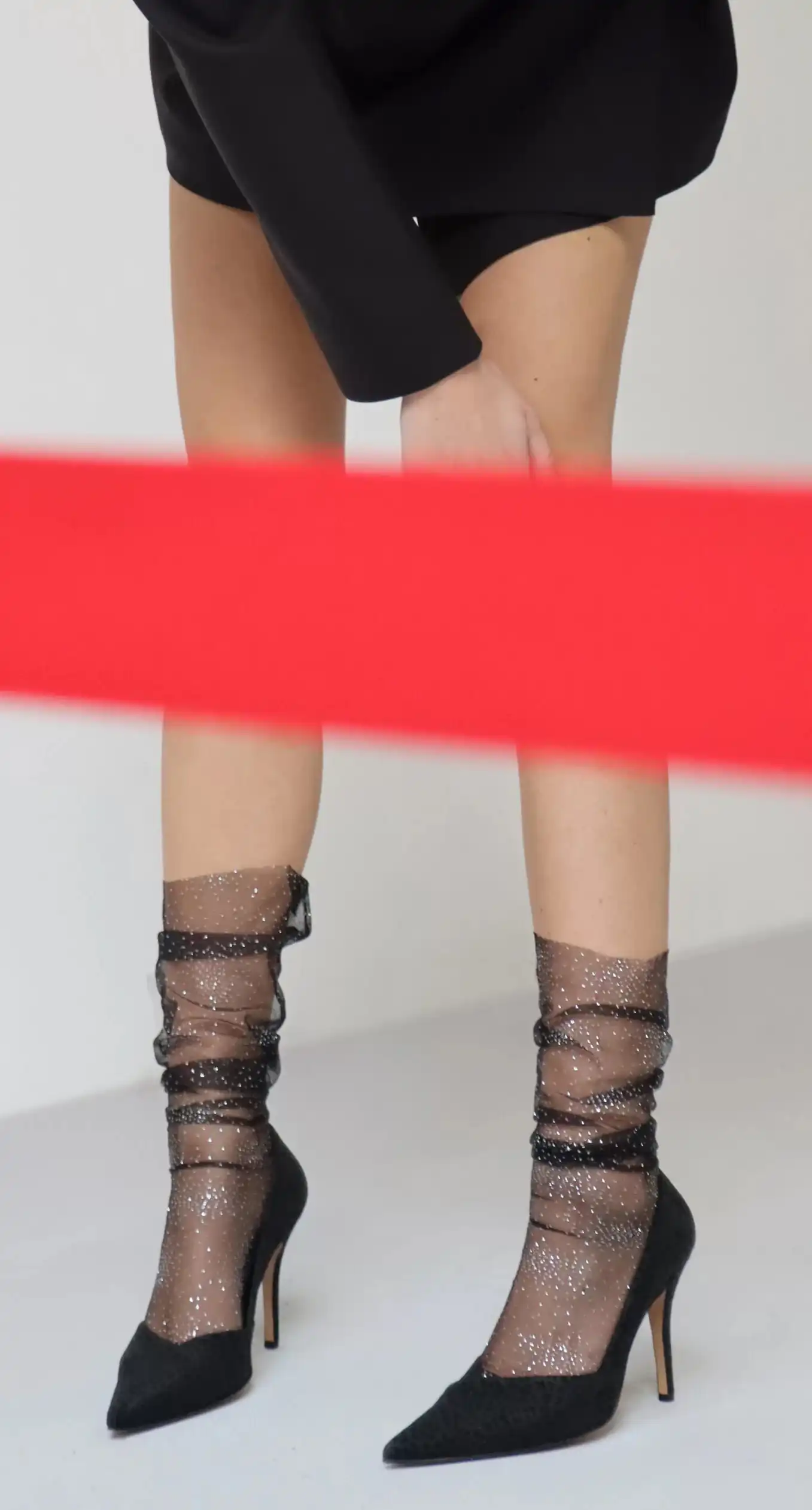
It's not true that all women wear high heels.

My mother said no. Yes, I was surprised, but she told me she never liked wearing shoes. She was only forbidden from wearing trainers. I was quite surprised by this new perspective on something so familiar – childhood, family, home. A house with high heels in it.

Although I lead a very interesting and even very successful life in all respects, I can't explain the reason why I long for shoes that constantly elude me. Sometimes, while wearing shoes during the day in Belgrade, covering more than ten kilometres in heels with a heavy bag that always contains my laptop – I count my steps. As if on some kind of marathon, I try to straighten my back, improve my gait, be more graceful, develop my calves more. Come on, you can do it, you have to – look at all the women around you. I tell myself this and then I come home and sigh with relief. It never, ever became normal for me, an everyday thing, I never felt free wearing shoes. Only terrible, restrictive torment and effort – from step to step. I want to be some new, some different, better and more mature Marija. Every time I want to feel happy, I buy shoes. I wear them for one day and then leave them. Sometimes I only wear them around the house. I always take pictures in them. I like how I look in shoes. I put them on when I want to make an impression, when I want others to see that different, better and more mature me.

There's a sad story about an opera singer who longed his whole life to be the world's greatest tenor. He was very dedicated and at the same time filled with a sense of failure. I know most people imagine some unhappy soul when I say that, but I'm talking about one of the world's greatest baritones – Tito Gobbi. True, he wasn't a tenor. Of course, we don't know if this detail about Tito wanting to be a tenor is accurate. And in the end, it doesn't matter. Voice isn't destiny. Enrico Caruso was a tenor who also sang baritone. I recently read a dissertation on opera pedagogy about the transition from baritone to tenor. If it's possible to alter one's own voice, I honestly don't understand why I'm sometimes so fatalistic about shoes.

It's not just me, it feels like society is pushing us to constantly work on ourselves – to be the best version. In reality, we constantly pine for that which is difficult and far away, while at the same time belittling what is comfortable and close, day-to-day. As I write this, high heels and flats, sandals and boots are looking at me from the shelves, wondering when their turn will come, and I dutifully take them with me on trips or outings, though most often they remain in my bag. Their soles are clean and beautiful, sometimes completely untouched by the weight of the body, convexly curved towards the asphalt. I don't know if I'm lying to myself that I'll wear them, or if I like to wear them a little, because I don't want to give them up now or forever. It's just important to me that they are there. It's important to me that they exist. As a possibility.

Other blogs

Tap tap tap

Tanja Vasojević has successfully delivered numerous projects throughout her career – in the corporate world in various positions and as a director
Shoe rack

Photo credit: Marko Krunić Luna Lu Luna Lu, TV and digital format creator. Recognised for her series: Histerik, Glamurama, Štiklom u vrata,
More options

Marija Ratković is a writer, theorist, and activist. She writes for newspapers, film, television, and theatre. She wrote the novel “Ispod"

If shoes could talk

Ana Tokin is a fashion designer who began her career in the field of marketing. She dared to, after a successful